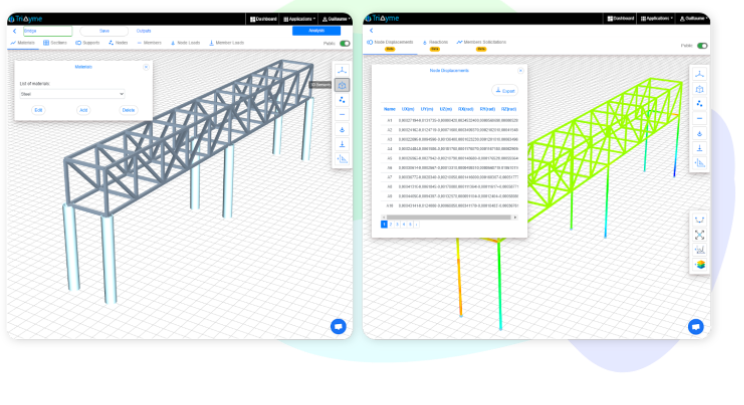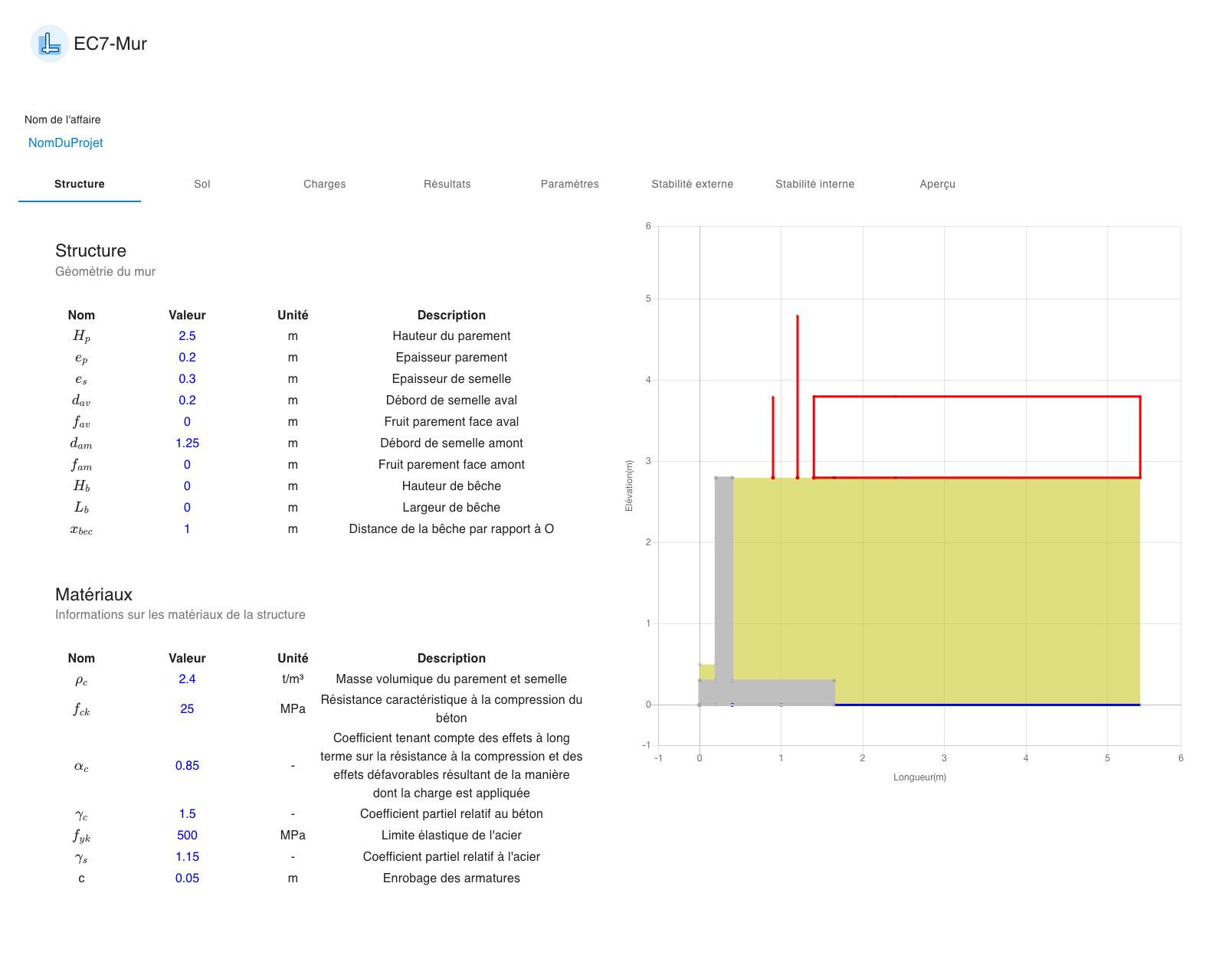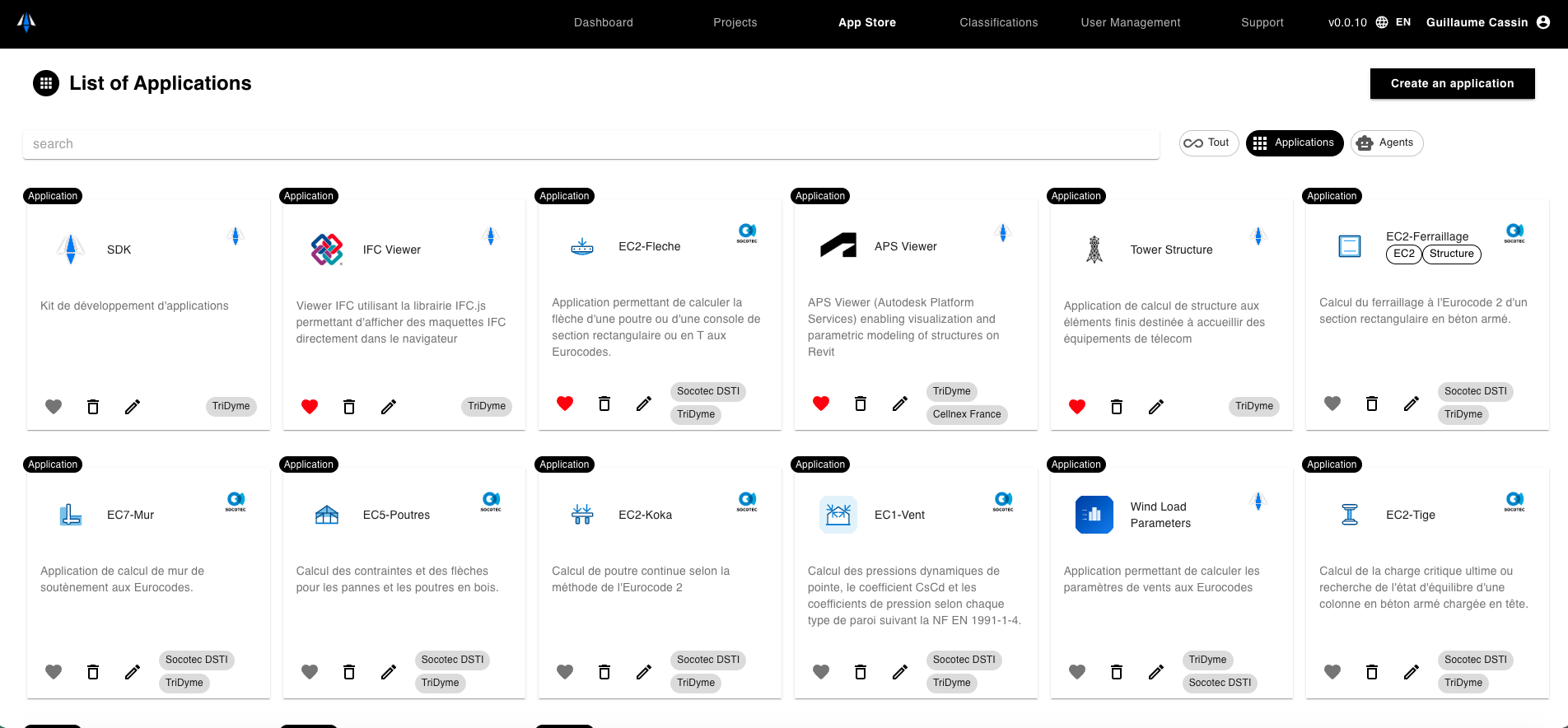
Are you a structural engineer, energy consultant, or construction economist who has developed specialized calculation tools? What if you could transform your engineering expertise into a scalable cloud service without losing control of your intellectual property?
TriDyme's Cloud Application Marketplace enables technical professionals to publish, monetize, and integrate their proprietary calculation engines into modern AI-powered workflows—all while maintaining full ownership of their code.
The Challenge for Technical Developers
Many engineering professionals have developed valuable calculation tools over years of practice:
- Proprietary structural analysis algorithms
- Custom energy simulation models
- Specialized cost estimation engines
- Domain-specific design validation tools
However, traditional distribution models present significant challenges:
- Loss of IP control: Selling software often means giving up your source code
- Infrastructure costs: Hosting and scaling cloud services requires significant investment
- Limited reach: Finding clients requires extensive marketing efforts
- No AI integration: Modern workflows increasingly rely on AI orchestration
TriDyme's Solution: Your Code, Your Revenue, Our Platform
TriDyme provides a complete infrastructure for technical developers to commercialize their engineering applications without sacrificing ownership or control.
1. Keep Full Ownership of Your Code
Your application remains yours.
With TriDyme, you deploy your calculation engine as a cloud service while maintaining complete ownership:
- Your backend code runs on your infrastructure (Python, Node.js, or any language)
- TriDyme provides the frontend interface and API gateway
- You control updates, improvements, and access to your algorithms
- Your intellectual property is never shared or exposed
Example architecture:
User Request → TriDyme Platform → Your API Endpoint → Your Calculation Engine
                                     ↓
                                  Results returned
2. Simple Token-Based Monetization
You set the price, we handle the payments.
TriDyme uses a universal token system that makes pricing transparent and flexible:
- You define the token cost for each calculation (e.g., 2 tokens for a beam analysis, 5 tokens for a full structural audit)
- Users purchase subscription plans with token bundles
- You receive 80% of the revenue generated by your application
- Automatic monthly payouts via Stripe Connect
- No upfront costs, no hidden fees
Pricing examples:
- Simple calculation (< 2s execution): 1-2 tokens
- Standard analysis (2-10s): 3-5 tokens
- Complex simulation (10-30s): 6-10 tokens
- Heavy computation (> 30s): 12-20 tokens
TriDyme validates your proposed pricing based on computational complexity, ensuring fair value for both developers and users.
3. Dual Integration: APIs and MCP Servers
One of TriDyme's most powerful features is the ability to integrate your application into AI-driven workflows through two complementary methods:
API Integration (Direct Calls)
Traditional RESTful API integration for programmatic access:
# Your application exposes an API endpoint
POST /api/calculate/ec2-beam
{
  "length": 6.5,
  "load": 150,
  "concrete_class": "C30/37"
}

# Returns calculation results
{
  "reinforcement_required": "4φ20",
  "utilization_ratio": 0.87,
  "status": "pass"
}
Use cases:
- Direct integration into custom workflows
- Batch processing of multiple calculations
- Integration with existing company software
MCP Server Integration (AI-Orchestrated)
What is MCP (Model Context Protocol)?
MCP is an open protocol developed by Anthropic that enables Large Language Models (LLMs) to interact with external tools and data sources securely. Think of it as a standardized way for AI assistants to "call" your application.
How it works with TriDyme:
// Your application as an MCP Server
{
  "name": "ec2-beam-calculator",
  "description": "Structural analysis for concrete beams per Eurocode 2",
  "input_schema": {
    "type": "object",
    "properties": {
      "length": {"type": "number"},
      "load": {"type": "number"},
      "concrete_class": {"type": "string"}
    }
  }
}
In practice:
A user can simply tell Claude (or another LLM):
"Analyze this 6.5m concrete beam with a 150 kN load using C30/37 concrete"
Claude automatically:
- Identifies your MCP Server as the appropriate tool
- Calls your calculation engine with the correct parameters
- Interprets the results and presents them to the user
Key Difference: APIs vs MCP Servers
| Aspect | API Integration | MCP Server |
|---|---|---|
| Access | Programmatic (developers) | Natural language (any user) |
| Orchestration | Manual coding required | AI-driven, automatic |
| User experience | Technical integration | Conversational interface |
| Use case | Custom workflows, batch processing | AI assistants, interactive analysis |
| Complexity | Developer implements logic | LLM handles orchestration |
Both methods are complementary: Expose your application as both an API and MCP Server to maximize reach—technical users call your API directly, while business users interact through AI assistants.
4. AI Workflow Integration Example
Here's how your application fits into a modern AI-powered engineering workflow:
Scenario: Automated Structural Design Review
1. User uploads architectural drawings (PDF)
2. AI extracts structural elements (beams, columns, loads)
3. For each beam:
   → AI calls YOUR "ec2-beam-calculator" MCP Server
   → Your application performs Eurocode 2 analysis
   → Results returned to AI
4. AI aggregates results:
   → Identifies non-compliant elements
   → Suggests design modifications
   → Generates comprehensive report
5. User receives actionable recommendations in seconds
Without TriDyme: You'd need to build the entire pipeline yourself—AI integration, payment processing, user management, infrastructure scaling.
With TriDyme: You focus on your calculation engine; we handle everything else.
Why Choose TriDyme?
For Technical Developers
- ✅ Zero infrastructure investment: No servers to manage, no DevOps required
- ✅ Built-in payment processing: Stripe integration with automatic payouts
- ✅ Instant global reach: Access to TriDyme's user base across construction, engineering, and architecture
- ✅ AI-native platform: Your tools become AI-accessible by default
- ✅ Quality validation: We benchmark and validate pricing to ensure fair compensation
- ✅ Transparent analytics: Track usage, revenue, and performance in real-time
For Your Users
- ✅ Unified access: One platform, multiple specialized tools
- ✅ Universal tokens: Pay once, use across all applications
- ✅ AI-powered workflows: Combine multiple tools seamlessly
- ✅ Quality assurance: All applications are validated and benchmarked
- ✅ Predictable costs: Token-based pricing eliminates surprises
Getting Started as a Developer
Step 1: Prepare Your Application
Ensure your calculation engine:
- Has a stable API endpoint (REST, GraphQL, or gRPC)
- Returns results in a structured format (JSON recommended)
- Has documented input parameters and output schema
Step 2: Submit Your Application
- Register as a developer on TriDyme
- Submit your application details, API endpoint, and documentation
- Propose token pricing based on computational complexity
Step 3: Validation & Approval
- TriDyme benchmarks your application (execution time, resource usage)
- We validate your pricing against similar applications
- Once approved, your app is published to the marketplace
Step 4: Start Earning
- Users discover and use your application
- Tokens are consumed with each calculation
- You receive 80% of the revenue monthly via Stripe
- Track performance through your developer dashboard
Real-World Examples
Structural Engineering: EC2 Beam Calculator
Developer: Marie Dupont (Structural Engineer)
Pricing: 2 tokens per calculation
Monthly usage: 1,245 calculations
Revenue: ~€985/month (at 80% share)
Energy Simulation: Thermal Analysis Engine
Developer: Socotec Energy Team
Pricing: 5 tokens per simulation
Monthly usage: 892 simulations
Revenue: ~€1,760/month (negotiated 82% share for enterprise)
Cost Estimation: Material Quantity Takeoff
Developer: BuildCost Solutions
Pricing: 3 tokens per project analysis
Monthly usage: 2,156 analyses
Revenue: ~€2,560/month (at 80% share)
The Future: AI-Augmented Engineering
TriDyme isn't just a marketplace—it's a platform for the future of engineering practice.
As AI assistants become more sophisticated, engineers will increasingly work by describing what they want rather than manually executing calculations. Your specialized tools become the "skills" that AI systems call upon to solve complex, multi-disciplinary problems.
By joining TriDyme today, you're positioning your expertise at the intersection of domain knowledge and AI orchestration.
Technical Requirements Summary
Supported backends:
- Python (FastAPI, Flask, Django)
- Node.js (Express, NestJS)
- Any language with HTTP API support
Integration options:
- RESTful API (required)
- MCP Server (optional, recommended for AI workflows)
Deployment:
- Your infrastructure OR TriDyme-hosted containers
- Horizontal scaling supported
- Health monitoring and automatic failover
Documentation:
- OpenAPI/Swagger specification
- Input/output schema
- Example requests and responses
Join the TriDyme Developer Community
Ready to transform your engineering expertise into a scalable, AI-integrated cloud service?
🚀 Get started at https://www.tridyme.com/contact/
Key takeaways:
- ✅ Keep 100% ownership of your code
- ✅ Earn 80% of revenue from your applications
- ✅ Set your own token pricing
- ✅ Integrate with AI workflows automatically
- ✅ No upfront costs or infrastructure investment
- ✅ Global reach through TriDyme's marketplace
Questions? Contact our developer success team at contact@tridyme.com
Want to learn more about MCP? Check out Anthropic's Model Context Protocol documentation
Join our developer Discord: discord.gg/tridyme